


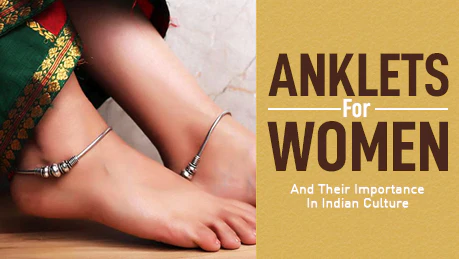
In the vibrant tapestry of Indian culture, anklets have occupied a cherished place for centuries. These delicate ornaments, also known as payals or ghungroos, not only adorn the feet of Indian women but also symbolize tradition, celebration, and spirituality. From the intricate design patterns to the tinkling sound they make with every step, anklets have a fascinating significance that goes beyond mere fashion.
History and Origins of Anklets
Anklets have a rich history that dates back thousands of years. The origins of anklets can be traced back to ancient civilizations like the Indus Valley Civilization, where ornate anklets made of gold and silver were worn by women as a symbol of wealth and status. Over time, anklets became an integral part of Indian culture, with different regions and communities adding their unique touch to these adornments.
In ancient times, anklets were also worn by men, especially warriors and dancers, to enhance their movements and create a rhythmic sound during performances. However, as time passed, anklets gradually became associated with femininity and came to be predominantly worn by women. Today, anklets are a popular accessory worn by women of all ages, reflecting the enduring legacy of this traditional adornment.
Symbolism and Significance of Anklets
Anklets hold great symbolism in Indian culture, representing various aspects of life and spirituality. The jingling bells attached to anklets are believed to ward off evil spirits and bring good luck. The melodious sound of anklets is not just pleasing to the ears but also creates rhythm and energy, enhancing the overall ambience during traditional dances and cultural performances.
In addition to their aesthetic appeal, anklets also hold a deeper spiritual meaning. They are associated with the concept of Shringar, which emphasizes the adornment of every part of a woman’s body as a form of self-expression and celebration of femininity. The sensation of anklets on the feet is believed to activate vital pressure points, promoting good health and well-being.
Types of Anklets: Traditional Designs and Materials
Anklets come in a wide variety of designs and materials, each reflecting the cultural diversity of India. Traditional anklets are often made of silver, as it is considered auspicious and believed to have cooling properties, keeping the feet comfortable in the hot Indian climate. These silver anklets are intricately designed with motifs inspired by nature, such as flowers, leaves, and birds.
Apart from silver, anklets are also crafted using other materials like gold, bronze, and brass. Gold anklets are often worn on special occasions like weddings and festivals, symbolizing prosperity and wealth. Bronze and brass anklets are more commonly worn by rural women and tribal communities, showcasing their unique craftsmanship and cultural heritage.
Anklets in Different Regions of India
India’s diverse culture is reflected in the regional variations of anklet designs and styles. In North India, particularly in states like Rajasthan and Uttar Pradesh, women wear heavy silver anklets known as “baajuband” or “paayal” with intricate filigree work and gemstone accents. These anklets are often passed down through generations and are considered family heirlooms.
In South India, anklets called “oddiyanam” are popular among women, especially during weddings. These anklets are traditionally made of gold and feature intricate designs of deities, flowers, and peacocks. They are often worn in combination with a waist belt, enhancing the overall bridal look and adding a touch of elegance.
Rituals and Ceremonies Associated with Anklets
Anklets play a significant role in various rituals and ceremonies in Indian culture. During weddings, the bride wears anklets as a symbol of her marital status. The tinkling sound of the anklets announces her arrival and adds to the festive atmosphere. In some communities, the groom also gifts anklets to the bride as a gesture of love and commitment.
Apart from weddings, anklets are also worn during religious ceremonies and festivals. During traditional dances like Bharatanatyam and Kathak, anklets with numerous bells called “ghungroos” are worn by dancers. The rhythmic sound of the ghungroos adds to the performance and captivates the audience, creating a mesmerizing experience.
Anklets as Fashion Accessories: Contemporary Trends
In recent years, anklets have gained popularity as fashionable accessories beyond their traditional significance. They have become a staple in bohemian and beach-inspired fashion, with delicate anklets made of beads, shells, and charms being paired with casual outfits. Anklets are now considered versatile accessories that can be worn with both traditional and contemporary ensembles, adding a touch of elegance and femininity.
How to Style Anklets with Different Outfits
Styling anklets with different outfits requires a sense of balance and harmony. For traditional Indian attire like sarees and lehengas, silver or gold anklets with intricate designs complement the overall look. On the other hand, for Western outfits like dresses and skirts, delicate anklets made of beads or chains can add a bohemian touch.
When wearing anklets, it’s important to consider the length and fit. Anklets should sit comfortably on the ankle without being too tight or too loose. They should also be chosen based on the occasion and the desired level of attention. For a subtle look, opt for anklets with fewer bells or delicate chains, while for a bold statement, choose anklets with multiple bells or elaborate designs.
Maintenance and Care Tips for Anklets
To ensure the longevity of anklets, proper care and maintenance are essential. Silver anklets should be stored in airtight containers to prevent tarnishing. Regular cleaning with a soft cloth and silver polish can help restore their shine. Gold anklets should be kept separate from other jewelry to avoid scratches. Cleaning with a mild detergent and warm water can help maintain their luster.
Conclusion: Preserving the Cultural Legacy of Anklets in India
Anklets have transcended the boundaries of time and continue to hold a special place in Indian culture. Their intricate designs, melodious sound, and spiritual significance make them more than just ornaments. Anklets represent tradition, celebration, and femininity, connecting generations and preserving the rich cultural heritage of India.
As fashion trends evolve, it is important to recognize and appreciate the cultural significance of anklets. By embracing anklets as more than just a fashion accessory, we can celebrate and preserve the traditions they represent. Whether worn during weddings, festivals, or everyday life, anklets continue to weave together the stories of Indian culture, one delicate step at a time.
